
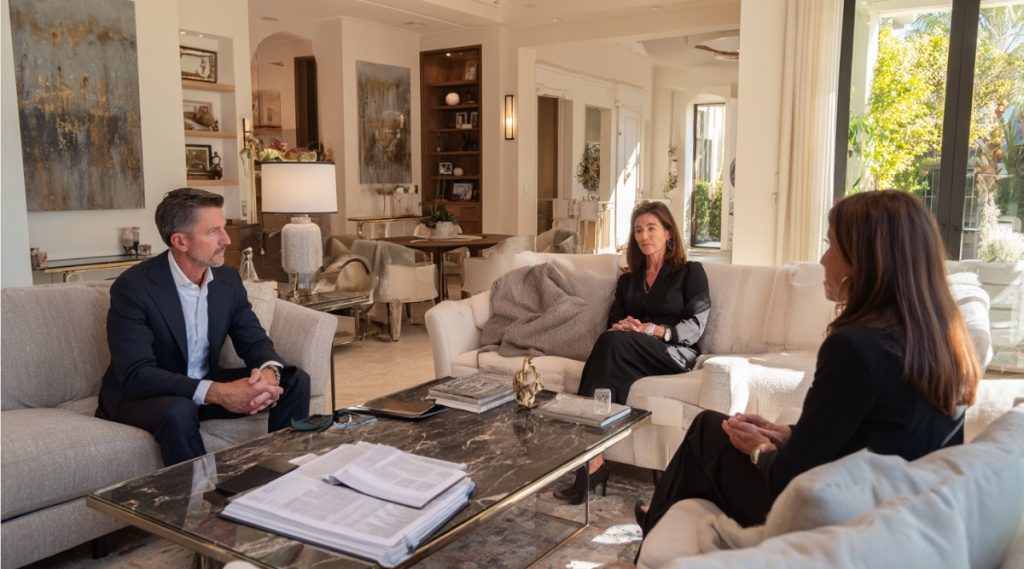
Navigating High-Value Property Division in The Hamptons at Boca Raton
Divorces involving couples in The Hamptons at Boca Raton often require more than a basic understanding of Florida’s property division laws. With upscale homes, investment portfolios, and complex retirement assets on the line, it’s crucial to understand your rights—and what you could lose—before starting the process.
Equitable Distribution in Florida: What It Means
Florida follows the principle of equitable distribution, which means marital assets are divided fairly, though not always 50/50. In high-net-worth neighborhoods like The Hamptons, this often includes:
- Primary and vacation real estate holdings
- Brokerage accounts and complex investments
- Luxury vehicles, jewelry, and collectibles
- Retirement accounts and business interests
If these assets were acquired during the marriage, they are typically subject to division—regardless of which spouse holds the title.
Marital vs. Non-Marital Property
Understanding what is considered marital property is essential. While assets acquired before marriage may be exempt, many couples in The Hamptons have commingled property over decades. Even inheritances can become marital if they were used to improve the marital home or placed in joint accounts.
Real Estate in The Hamptons: A Major Asset Class
Properties in The Hamptons at Boca Raton are often appraised at a much higher value than surrounding areas. Whether you’re living in a gated townhome or a golf course estate, your home equity can become a focal point of your divorce. Don’t assume your spouse will get the house just because it’s in their name.
How Courts Decide Property Division
Courts weigh several factors, including:
- The length of the marriage
- Each spouse’s financial contributions
- Career sacrifices made for the family
- Economic circumstances post-divorce
These are especially important in The Hamptons, where many spouses have paused or altered their careers to support family life or manage households.
Protecting Retirement and Investment Accounts
Many Hamptons residents hold 401(k)s, pensions, IRAs, and brokerage accounts. During divorce, these can be divided using a Qualified Domestic Relations Order (QDRO), and missteps here can cost you thousands. Speak to a lawyer who understands financial protection strategies in Florida divorce law. Learn more about asset division here.
Why Local Insight Matters
Courts in Palm Beach County may treat asset division differently than courts in Broward or Miami-Dade. Having an attorney with deep practice in high-asset Boca Raton divorces ensures you’re not just reacting—but negotiating from a position of strength.
Greco Law: Divorce Counsel for The Hamptons at Boca Raton
At Greco Law, we work with clients in The Hamptons to develop custom strategies for asset division, alimony, and family preservation. We help protect your lifestyle, your finances, and your peace of mind during a time that demands clarity and confidence.
Schedule a consultation to get clear on your property rights and obligations under Florida law.